A Kickoff That Could Have Set Things Back
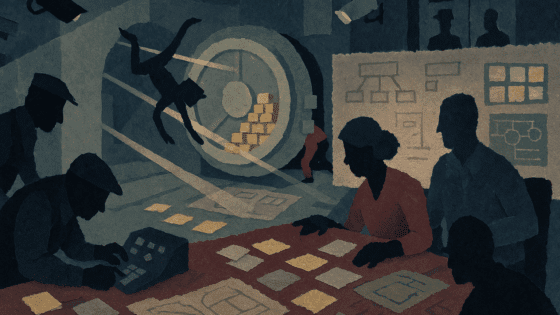
Picture this: a product team comes together to plan a small feature, in-app “usage milestones” meant to celebrate first-time success with animations of confetti and excitement, which is supposed to nudge users toward using the app more. But just twenty minutes in, you can almost feel the room getting tense.
- Product see this as a retention win.
- The go-to-market team wants a big, cheer-worthy moment with confetti and flair.
- Engineering worries about adding one more animation to an app that’s already feeling heavy.
Coffee sits cooling on the table. The mood quiets down. The confetti plan gets paused, and someone suggests scheduling another meeting.
That shaky start could easily lead to frustration, delays, and misalignment. But imagine if this rough moment pushed the team to build a better way to work together, one that guides every part of the roadmap from here on out. Here’s a simple playbook that could help.
1. Agree on the why before the “Wow!”
What if every project started with a tiny North-Star card that boiled things down to two lines:
- Outcome
“Increase day-seven activation by 10 percent.” - User promise
“Celebrate real progress without breaking focus.”
Any idea or design that doesn’t tie back to both lines gets put on hold. This keeps the team focused and cuts down on endless debates over extra features.
2. Speak the same alphabet
Words like “MVP,” “beta,” and “ship ready” can mean different things to different people. What if the team created a one-page glossary with simple sentences and pinned it right next to the roadmap? After a few weeks, maybe engineering stops pushing back on “Final” Figma files, brand stops sneaking in last-minute color changes, and meetings feel less like a game of jargon ping-pong.
One trick would be to make sure every word means only one thing.
3. Map the flow and invite the ghosts
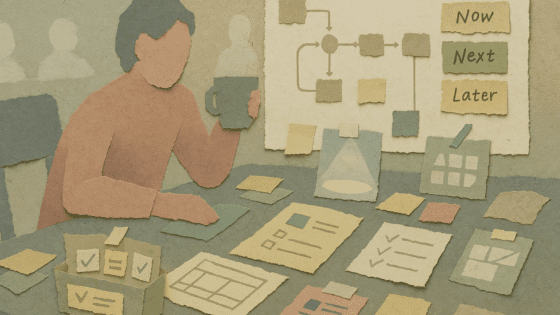
Imagine drawing a simple flow map, with screens on top and backstage steps below, then adding little icons for “ghost” partners:
- Legal handling privacy prompts
- Analytics tracking events
- Support preparing updates
Calling out these “ghosts” early might prevent surprise tickets on release day. If someone on the team doesn’t own a role, assign them before sprint one starts.
4. Run demo Fridays, not demo D days
Picture quick demos every Friday at 3 pm, each just five slides and five minutes:
- 30-second user story replay
- Two-minute walkthrough of designs or code
- 30-second brand tone check
- One-minute tech risk update
- One-minute to drop comments on a shared board
Small, steady demos could keep surprises low and catch problems while they’re easy to fix.
5. Keep a single living artifact
Imagine how messy things get when screenshots live in Slack/Teams, feedback flies through email, and notes scatter in Jira. What if the team picked one place, say a Notion page, to keep everything?
- The “why” card front and center
- Links to designs tied to production
- A log of decisions with who, what, and when
- Status tags like “needs voice review” or “dev blocked”
Everyone bookmarks that one page and confusion stays minimal.
6. The milestone banner revisited
Back to that confetti feature. Picture brand showing three animation options on demo Friday, engineering picking a lightweight SVG burst, analytics adding a celebration_seen event, and product tracking a 12 percent boost in day-seven retention, beating the goal by two percent.
No extra meetings clogging calendars. Everyone feels heard.
A Quick Exercise for Your Next Kickoff
- Write a two-line North-Star card on a sticky note.
- Sketch a three-step flow map and mark every “ghost” partner.
- Circle any role without an owner and assign someone before you finish.
- Schedule your first five-minute demo before anyone leaves.
Time-boxed alignment often beats perfect documentation.
Keep the Gears Turning
Great products aren’t built on last-minute scrambles or big reveal moments. They grow from small habits teams practice every day. Shared language keeps everyone on the same page. Quick demos make progress visible. A single source of truth cuts down on confusion. When those parts work together, teams stay in sync, and the product feels thoughtful from top to bottom. That’s when the confetti can fly without anything falling apart.