Replicate the Magic · Project Note
Turning Firsthand Travel Into Planning Guides
Firsthand guides made routes, timing, and tradeoffs easier to assess.
- Starting Point
- Travelers arrived at the guides at different points in planning.
- Design Decision
- Give early planners and already-booked travelers different entry points into the same content.
- Outcome
- Published guides and the cruise hub let readers start with the route, ship, port, or decision they had in mind.
- My role
- Creator · Editorial Design and Video Production I design the guides, capture footage on location, write scripts, and edit and produce the videos.
- People involved
- Sean and the travelers we write for
In This Case
Help Travelers Make Real Decisions
I created Replicate the Magic to turn firsthand trips into useful planning guides and videos. Today I lead the project with my co-host, Sean. Our readers may be choosing a cruise, planning a port day, or trying to work out what they can fit into a day without rushing.
Organize the Guide Around the Decision
For the cruise hub, we gave readers several starting points based on where they were in planning. Someone still deciding could start with cruise lines and regions. Someone already booked could go directly to their ship, port, or excursion.
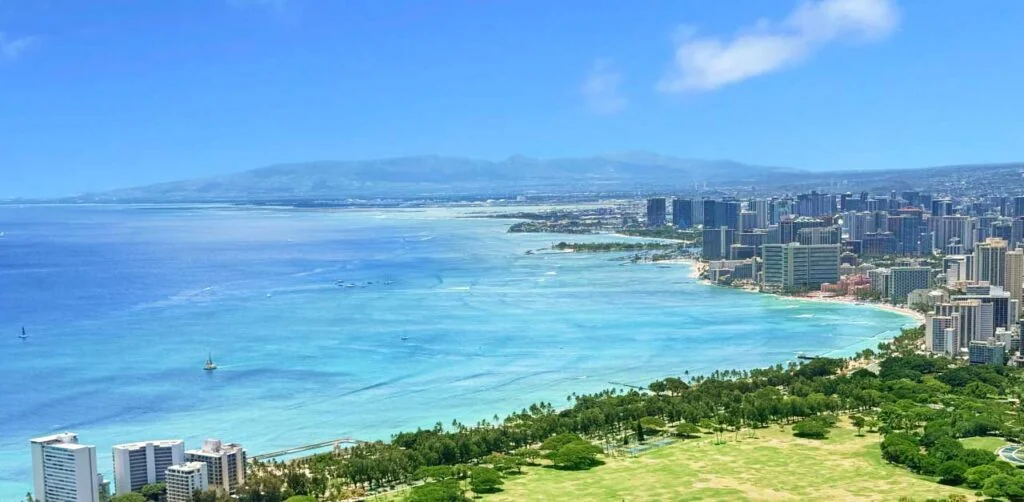
Our Oahu itinerary takes the same approach at a different scale. It opens with a day-by-day table, then explains which parts worked from a single Waikīkī base, where transit took longer, and what we’d do differently. Readers can scan the route before deciding which details matter for their own trip.
For a trip with many moving parts, the most useful detail depends on the decision someone is making. The guide puts a quick orientation first and leaves the deeper notes nearby. Readers can decide how much detail they need as they plan.
A useful guide has to serve different levels of commitment. Someone comparing destinations can scan the route and timing, while a booked traveler can go straight to an excursion or use a day-by-day itinerary to adjust their own plan. The structure is part of the experience design because it determines how quickly readers can get to a decision.
How a Firsthand Guide Helps Someone Decide
Orient
Start with the route, schedule, or options so a reader can see the whole trip.
Evaluate
Put practical details and firsthand observations next to the choices they affect.
Adapt
Show what can change so the reader can build an itinerary that fits.
Publish Guides People Can Adapt
We published the planning hub and individual guides with firsthand observations, photography, videos, and links to relevant sources. The editorial work is a practical example of designing for self-service. Give people enough information to make a choice that fits their circumstances.
Watch the Travel Stories
I film on location, write the scripts, and edit and produce the videos. I enjoy the stretch of taking a story from the first shot through the final cut.
The Oahu video follows our route day by day so viewers can see how transit and timing shape an itinerary. The Norwegian Aqua review uses footage from meals, sea days, and port stops to show what a week aboard actually felt like.