I queued up E.T. on a rainy Sunday, thinking I’d have some background nostalgia while tidying up my Figma files. Ten minutes in, I shut the laptop. Spielberg wasn’t just showing me childhood memories. He was handing me a playbook for better onboarding, clearer user journeys, and those “wow” moments that stick with users long after they leave.
By the time the credits rolled, I had a notebook full of parallels. Every scene translated into a product lesson we often forget when the backlog piles up. Below are four lessons from the film, real examples, and a quick exercise you can try before your next sprint.
1. Lead with the feeling, not the features
🎬 Scene Setup
The movie opens in the foggy woods at night. E.T. is alone, shivering, hiding from humans. We don’t know where he is from or what his mission is. We only feel his fear and vulnerability first. The emotion comes before the story.
✏️ Design Takeaway
When users first open your product, show them you understand their problem or frustration right away. Don’t overwhelm them with features or details. Connect with their needs first, then offer solutions.
💡 Idea for You to Try
Ask someone new to your product to sign up and see how long it takes before they see something that speaks directly to their pain or goal. If it takes more than one step, you might want to rethink the first screen.
2. Use small, guided steps instead of long instructions
🎬 Scene Setup
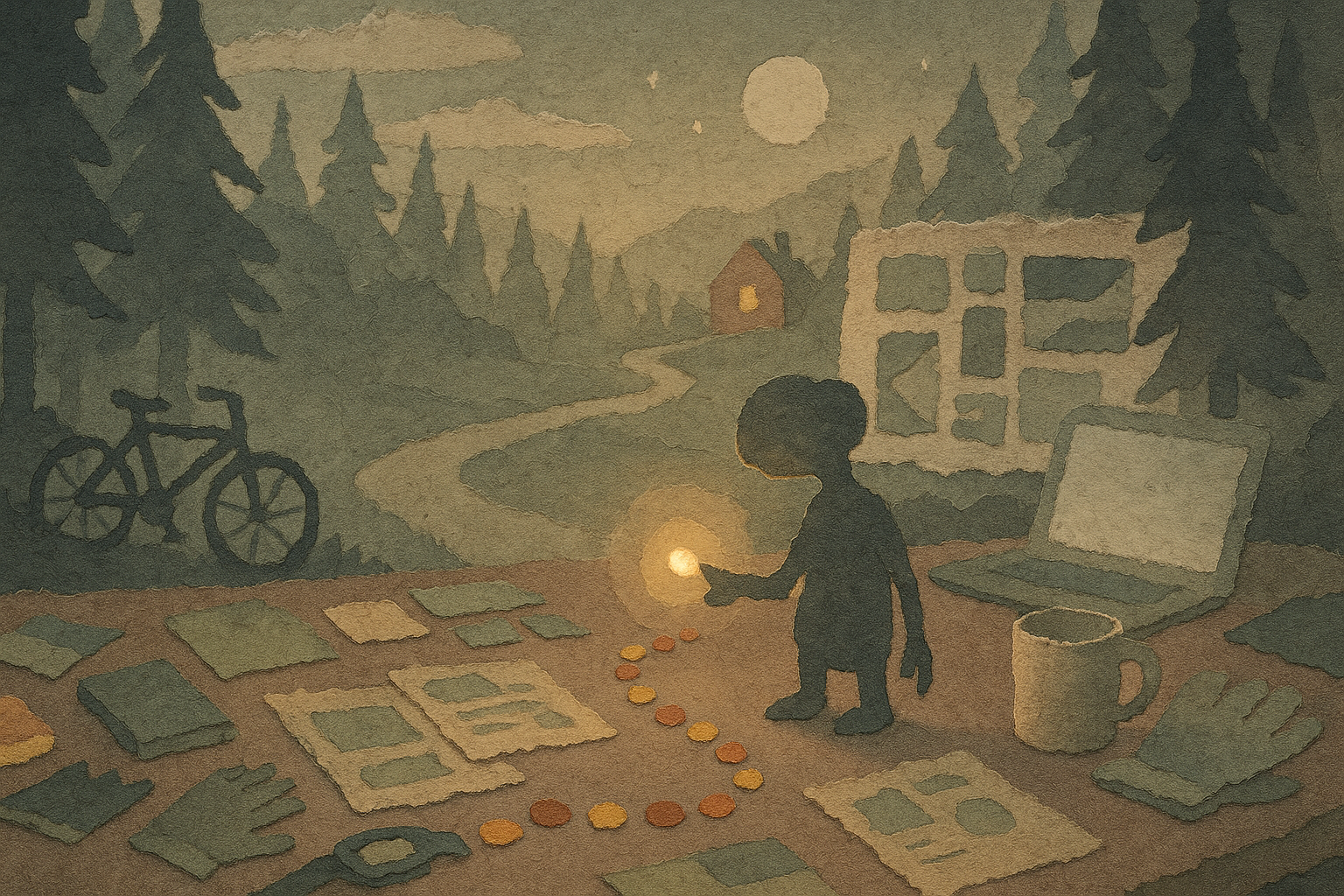
When Elliott brings E.T. into his house, he doesn’t drag him inside. Instead, he leaves a trail of Reese’s Pieces candy to lead E.T. in one small step at a time. There are no instructions, just little nudges that guide the way.
✏️ Design Takeaway
Break your onboarding into small, easy steps that users discover naturally. Avoid overwhelming them with long manuals or complicated tutorials. Guide users forward gently, like leaving candy crumbs.
💡 Idea for You to Try
Look at your onboarding flow and see if you can break it into smaller pieces. Maybe ask users for just an email at first, then ask for more details in later sessions. Small wins build confidence and reduce frustration.
3. Find your glowing fingertip, the simple interaction users remember
🎬 Scene Setup
E.T. has many powers, like levitating bikes and sending signals. But what sticks with audiences most is his glowing fingertip — it heals and connects in a way that feels magical and clear.
✏️ Design Takeaway
Identify one key interaction or feature that stands out. Make it easy to find, repeat, and polish it until it shines. This is what users will talk about and remember.
💡 Idea for You to Try
Ask yourself what feature you want users to tell their friends about after using your product. Focus on making that experience smooth and satisfying.
4. End with heart and closure
🎬 Scene Setup
At the end, E.T. says “I’ll be right here” to Elliott, touching his chest. It’s a gentle farewell filled with emotion. There is no dramatic cliffhanger, just a promise and space for feeling.
✏️ Design Takeaway
Celebrate users’ successes clearly and warmly. Thank them, show what’s next, and then step back. A calm ending builds trust and keeps people coming back.
💡 Idea for You to Try
Try adding a simple “welcome back” message or a gentle reminder a few days after a user completes a task. It helps keep the connection alive without pressure.
Mini Workshop: Build your candy-trail storyboard
Take about 25 minutes. Sticky notes optional.
- Write your product’s core promise in one clear sentence.
- Identify the first real pain your users face.
- List five small steps that guide users from pain to value.
- Pick one step that could become your glowing fingertip. How would you highlight it?
- Write a simple thank-you message to close the journey warmly.
- Review with someone who talks to customers often (support or sales) and get their feedback.
E.T. Phone Home
It might feel a little odd to draw product lessons from a story about an alien and a bicycle ride. Yet beneath the sci-fi charm, E.T. teaches us something simple and powerful: connect with users’ feelings first, guide them gently, create moments they remember, and always close with warmth. When you do that, your product doesn’t just work, it becomes something people want to come back to again and again.