
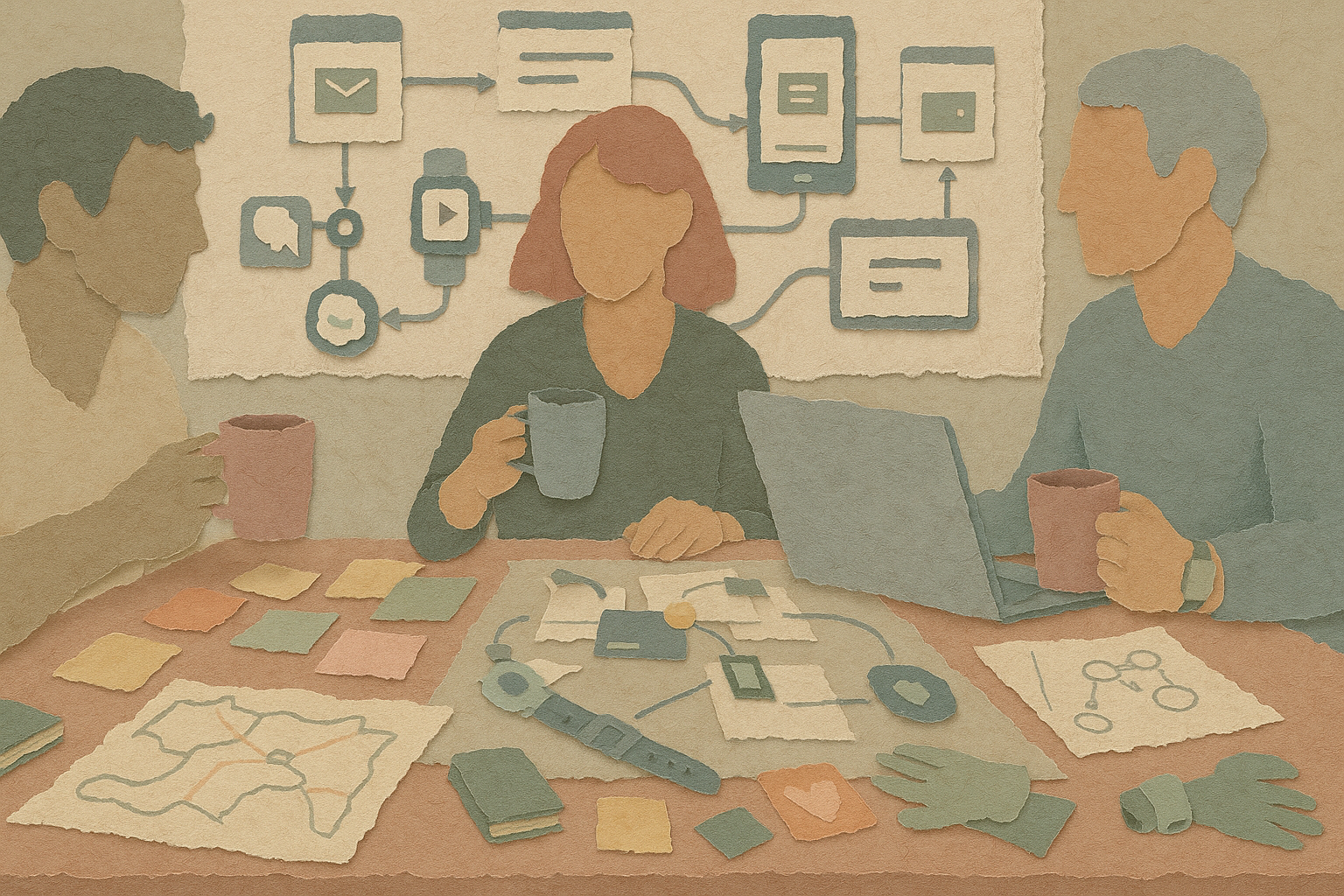
You close your laptop after a solid afternoon of work, and your phone lights up with the next step in the task you just started. No extra logins, no hunting for context. It just knows where you left off. That’s the quiet magic of a product ecosystem. When every screen, device, and notification feels like part of the same story, you stop noticing the tech and start noticing how much easier things flow. I want to share the mindset behind that feeling, the different roles a product designer plays, and a few simple exercises you can try right now.
What Is a Product Ecosystem?
Think of a product ecosystem as a promise that follows you wherever you show up. Like pausing a podcast on your laptop and picking up on your phone at the exact same spot. Identity, data, and tone travel together so every screen feels like a doorway into one continuous experience instead of a checkpoint that demands starting over.

Why Ecosystems Work Better Than Siloed Products
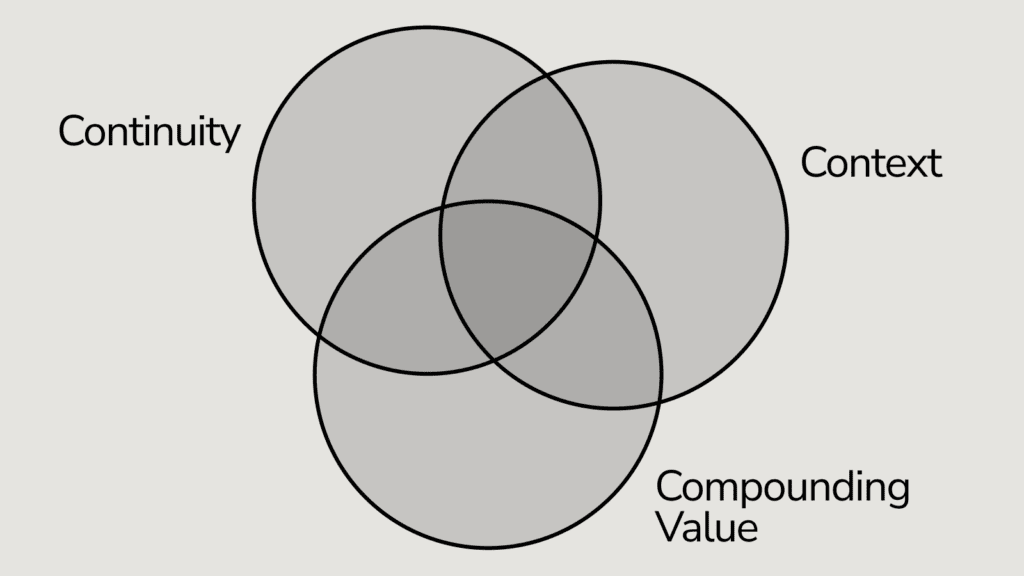
1. Continuity Builds Habit
When an app remembers where you left off, you come back without hesitation. It cuts down the friction every time. The product feels like a coworker who always leaves your project folder open and ready.
2. Context Portability Saves Effort
When your preferences, history, and identity travel with you, you never have to explain yourself twice. Like a coffee subscription that remembers your favorite roast and size. Checkout feels less like a chore and more like a nod from a barista who knows your order.
3. Compounding Value Creates Delight
Every new touchpoint adds to the last. A fitness ring that alerts your watch, logs data to your phone, and emails recovery tips turns scattered features into a routine that gently nudges you to stay healthier all day.
Three Hats a Designer Wears in Ecosystem Design
Translator
Marketing talks in promises, engineers in constraints, and users in half-formed needs. The designer translates all of that into patterns, tokens, and flows that make sense to everyone. Without that, teams build in different languages and the product feels mixed-up.
Cartographer
Like a mapmaker, the designer charts every interaction (push notifications/kiosks/invoices/etc.) and draws the lines connecting them. The map shows where identity needs to stick, where tone should soften, and where time zones might break things. It keeps teams sailing toward the same goal.
Gardener
Design systems are living things that need pruning, watering, and seasonal care. A good designer tends the garden so new features bloom without choking out what came before. Without care, inconsistencies creep in with duplicate buttons, clashing colors, and confusing messages.
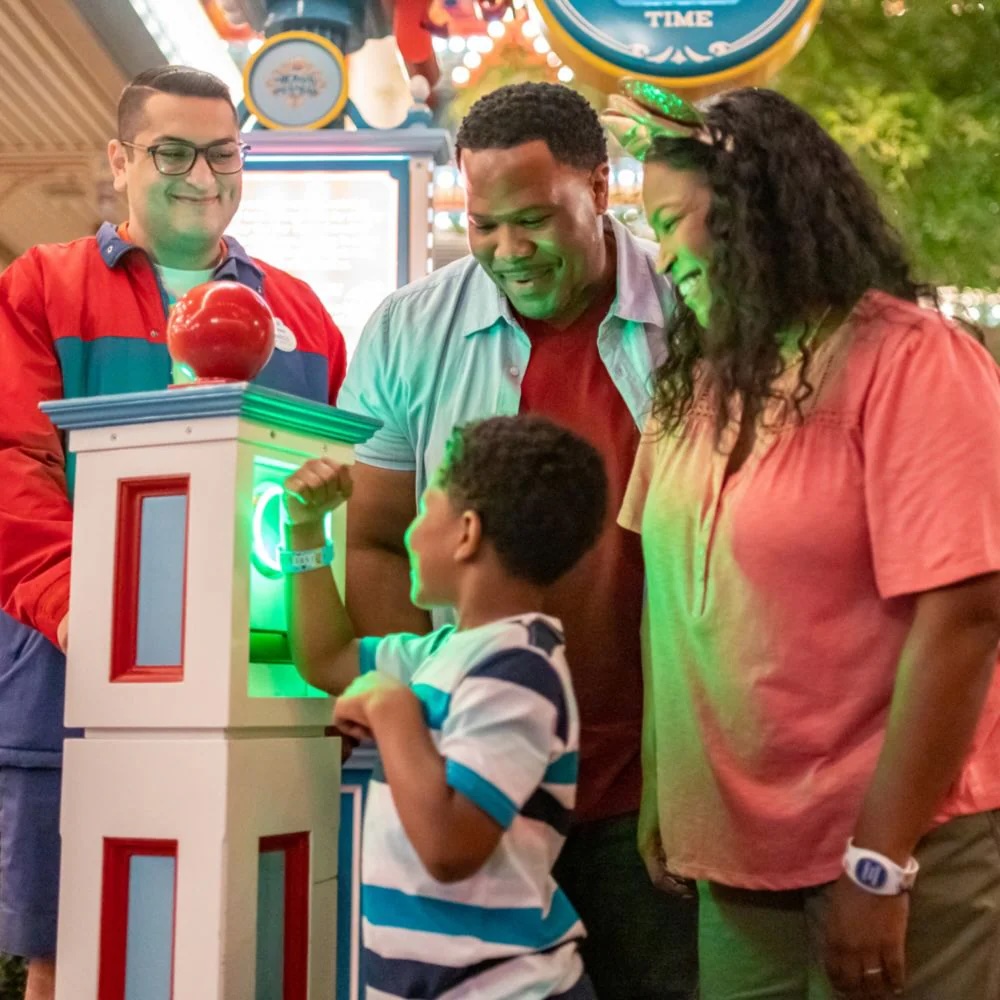
Disney’s MagicBand
Imagine a day at Disney World or Disneyland with a MagicBand on your wrist. That little band quietly ties together dozens of guest tasks.
- Park entry: one tap and you’re in.
- Lightning Lane reservations: same tap, same band.
- Payments: snacks, souvenirs, all charged without pulling out a wallet.
- PhotoPass: ride photos automatically link to your account.
- Hotel room access: wave the band and walk right in.
Behind the scenes, the MagicBand talks to the resort app, passing identity and permissions everywhere you go. Guests don’t notice the tech because everything just works; every touchpoint knows who you are and what you need.
A good digital product ecosystem works the same way. Your “MagicBand” could be an account token, a shared component library, or a unified data schema. The magic happens because someone planned for every surface to recognize that token and respond accordingly. Without that, you would be stuck logging in repeatedly, re-entering payment info, or losing your saved progress, like digging through pockets for paper tickets at every ride.
A Simple Exercise to Spot Gaps
- Write your user’s main job in the center of a page.
- Draw circles for every place they interact with your product: website, app, smartwatch, email receipt.
- Connect the dots in the order their day usually flows.
- Mark where identity, state, or tone breaks down.
- Circle the biggest break. That is your first place to improve.
Doing this quick sketch will expose gaps faster than a thick strategy deck ever could.
When You Know It Is Time for an Ecosystem-focused Designer
- Users keep entering the same info on different devices.
- Buttons, colors, or copy change between platforms.
- New features require separate design work for every device.
- Support tickets start with “I already told the app that.”
- Marketing emails sound like they come from a different company.
If you see these signs, polishing individual screens will not fix the bigger picture.
Start Small, Measure, Repeat
Pick one journey that really matters: onboarding, checkout, or re-engagement. Give it a unified look, a single voice, and one source of data. Ship it across two devices. Track how drop-offs change. Real numbers will convince everyone better than any presentation.
Final Thought
When product ecosystems work, they feel obvious, like clean glass you only notice when it is smudged. That smoothness is earned. Someone put in the work to make sure identity and context flow effortlessly across screens. Often, that someone is a product designer who thinks like a translator, mapmaker, and gardener all at once.
